Morning light filters through your kitchen window, and you reach for the coffee without thinking—your hand knows exactly where the mugs live, the drawer glides open silently, everything has its place. This is what a truly well-designed kitchen feels like: effortless, intuitive, a space that moves with you rather than against you. I've always believed …
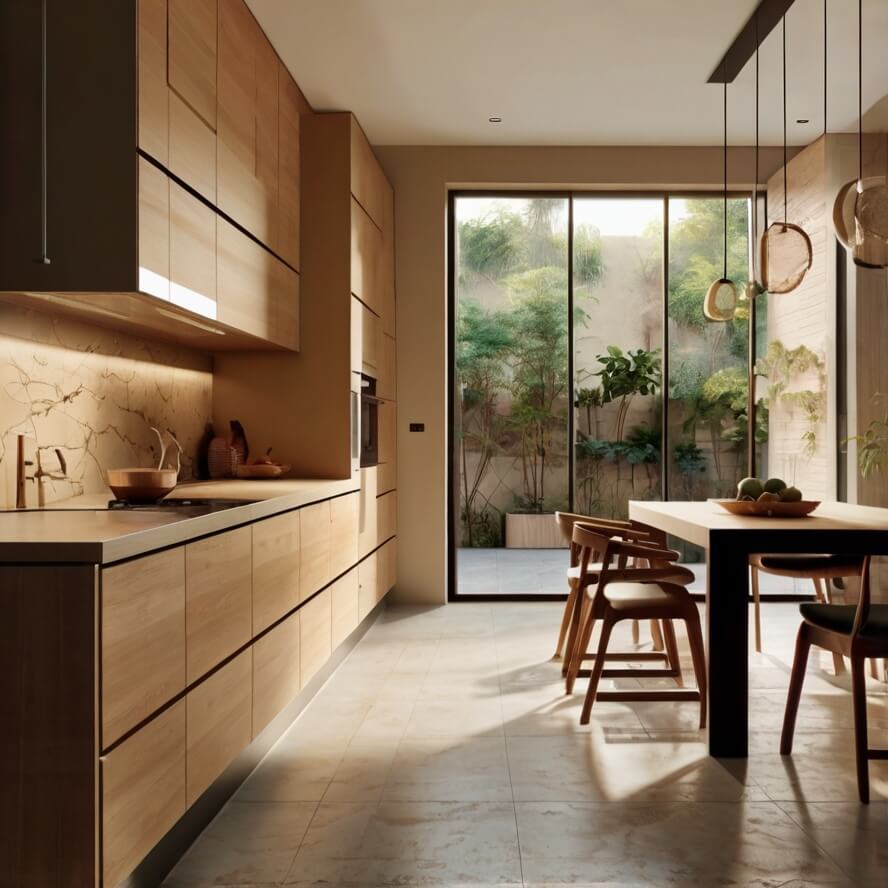
Morning light filters through your kitchen window, and you reach for the coffee without thinking—your hand knows exactly where the mugs live, the drawer glides open silently, everything has its place. This is what a truly well-designed kitchen feels like: effortless, intuitive, a space that moves with you rather than against you. I’ve always believed the kitchen is the soul of a home, the place where nourishment and conversation intertwine, where daily rituals become cherished memories. As we step into 2025, the way we think about kitchen design has evolved beautifully, blending timeless craftsmanship with modern efficiency in ways that honour both tradition and innovation.
Here in Pune, where homes blend contemporary architecture with rich cultural heritage, choosing the right Modular Kitchen means understanding your unique lifestyle—how you cook, how you gather, how you want to feel when you walk into this space each day. At Soulwood Ventures, we’ve guided countless families through this journey, helping them discover that quality kitchen design isn’t about following trends but about creating systems that support real life. Whether you’re starting from scratch or refreshing an existing space, the decisions you make now will shape your daily experience for years to come. Let’s walk through this together, exploring how to choose Modular Kitchens that fit not just your floor plan, but your life.
Understanding Your Kitchen Personality: Lifestyle Assessment Before Design
Before you fall in love with cabinet finishes or countertop materials, pause and consider how you actually use your kitchen. I’ve learned that the most successful kitchen designs begin with honest self-assessment, not Pinterest boards. Are you someone who batch-cooks on Sundays, filling containers for the week ahead? Do you entertain frequently, needing space for multiple cooks and guests who inevitably migrate toward the action? Or perhaps you’re a quick-meal household, prioritizing efficiency and easy cleanup over elaborate prep spaces?
Your cooking style dictates your kitchen’s functional requirements. If you prepare traditional Indian meals regularly—grinding masalas, rolling rotis, managing multiple dishes simultaneously—you’ll need generous counter space, specialized storage for spices and lentils, perhaps a dedicated area for your mixer-grinder and pressure cookers. If you lean toward minimal cooking with occasional elaborate meals, a more compact layout with smart storage might serve you better. Consider your household size, too. A family with young children needs durable surfaces, lower storage options, perhaps Bar Stools at an island for homework and snacks. Empty nesters might prioritize sophisticated entertaining features.
The Soulwood showroom in Pune offers consultation services precisely for this reason—to help you articulate needs you might not realize you have. During these conversations, we explore not just what you cook but when, not just how many people live in your home but how they move through spaces. This assessment becomes the foundation for every design decision that follows. A kitchen built around someone else’s lifestyle, no matter how beautiful, will never feel quite right. But a kitchen designed for your specific rhythms? That becomes the heart of your home, working so seamlessly you barely notice its systems—you simply enjoy cooking, gathering, living.
The Foundation: Selecting Quality Materials That Age Gracefully
Once you understand your functional needs, material selection becomes paramount. In Modular Kitchens, this decision impacts not just aesthetics but longevity, maintenance, and even your home’s air quality. I’m passionate about solid wood for kitchen cabinetry because I’ve witnessed how it performs over decades, not just years. Unlike particleboard or MDF wrapped in laminates, solid wood—particularly teak, sheesham, or mango wood—brings natural durability and beauty that actually improves with time.
Wood’s natural properties make it ideal for Indian kitchens. It withstands humidity fluctuations better than synthetic materials, doesn’t off-gas formaldehyde or other chemicals into your home’s air, and repairs easily when inevitable nicks and scratches occur. The grain patterns ensure each cabinet is unique, bringing warmth that cold, uniform surfaces simply cannot match. Soulwood’s Modular Kitchens feature solid wood construction with modern joinery techniques—dovetailed drawers, mortise-and-tenon frames, finishes that protect while allowing the wood to breathe.
For countertops, consider your cooking style again. Granite and quartz offer durability and heat resistance perfect for busy cooking. Natural stone develops character over time, each spill and use adding to its story. If you prefer warmer aesthetics, butcher block sections provide beautiful prep areas, though they require more maintenance. The key is selecting materials that align with how you actually live—not aspirational cooking you imagine but real daily use.
Hardware matters more than most people realize. Soft-close hinges that prevent slamming, drawer slides rated for heavy loads, pulls and knobs that feel substantial in hand—these details separate Modular Kitchens that function beautifully from those that frustrate daily. Quality materials cost more initially but deliver value through decades of reliable service, making them ultimately more economical than repeatedly replacing cheaper alternatives.
Layout Logic: Designing the Work Triangle for Modern Cooking
The kitchen work triangle—the relationship between refrigerator, sink, and cooktop—remains relevant even as kitchen design evolves. This concept ensures efficiency, minimizing unnecessary steps while cooking. However, 2025 kitchens often expand beyond the basic triangle, incorporating additional work zones for specialty appliances, coffee stations, or baking centers. Your Modular Kitchen layout should reflect both classic efficiency principles and your specific cooking patterns.
For Pune apartments where space may be limited, galley or L-shaped layouts maximize efficiency in compact footprints. The galley kitchen places work zones along two parallel walls, creating a natural flow perfect for single-cook households. L-shaped configurations use corner space beautifully while opening one side for a Dining Set or Bar Chairs at a peninsula, blending cooking and gathering areas. If you have more generous square footage, U-shaped or island layouts provide abundant counter space and storage while accommodating multiple cooks comfortably.
Islands deserve special consideration. They’re incredibly popular, and for good reason—an island adds prep space, storage, seating, and architectural presence. However, an island only works if you have adequate clearance around it. You need at least three feet of walkway on all sides for comfortable movement, more if you’ll have multiple people cooking. If space is tight, consider a mobile island or extend your counter to create a peninsula instead, gaining many benefits without the clearance requirements.
Think about sight lines too. When positioned at your sink or cooktop, what do you see? Can you supervise children in adjacent living areas? Does the layout facilitate conversation with family members seated at your Dining Set? The best Modular Kitchens balance efficiency with connection, ensuring the cook isn’t isolated but integrated into household life. Soulwood’s design consultants can help you visualize how different layouts would function in your specific space, sometimes suggesting configurations you hadn’t considered but that perfectly suit your home’s architecture and your family’s patterns.
Storage Solutions: Organizing Systems That Eliminate Kitchen Chaos
I’ve never met anyone who complained about too much kitchen storage. The challenge isn’t just quantity, though—it’s accessibility and organization. A deep cabinet stuffed with pots becomes useless if you can’t reach what you need. Shallow drawers wasted on dish towels when they could organize spices brilliantly. Smart Modular Kitchens incorporate varied storage types, each optimized for specific contents and access patterns.
Base cabinets with pull-out shelves or drawers prove far more functional than traditional shelving that forces you to crouch and reach into dark corners. Imagine storing your pressure cookers, kadais, and heavy pots in deep drawers that glide out fully, letting you see and access everything without excavating. Corner solutions—lazy Susans, pull-out systems, or specially angled cabinets—reclaim space that typically becomes a black hole for forgotten items. Vertical dividers organize baking sheets, cutting boards, and serving platters that otherwise stack awkwardly.
Upper cabinets should balance open and closed storage. Display areas for beautiful dishes or collected pottery add personality while closed cabinets hide everyday clutter. Consider varying cabinet heights too—extending some cabinets to the ceiling eliminates dust-catching soffits while providing storage for rarely-used items like special-occasion serving pieces. In Pune’s climate where dust accumulation happens quickly, sealed storage for pantry items, small appliances, and Other Accessories maintains cleanliness with less effort.
Specialized storage makes enormous difference in daily function. A spice pullout keeps dozens of masala dabbas organized and visible. Deep drawers with pegboard systems adapt to your specific pots, pans, and lids. Appliance garages hide your mixer-grinder, toaster, and coffee maker when not in use but keep them accessible. As you plan your Modular Kitchen, list everything you’ll store—not just major categories but specific items—then design storage that accommodates your actual inventory. This attention to detail transforms kitchens from merely adequate to genuinely delightful, where everything has a logical home and putting things away becomes effortless rather than frustrating.
The Visual Story: Choosing Finishes and Colors That Reflect Your Style
With function and storage addressed, we arrive at the exciting part: aesthetics. Your Modular Kitchen’s visual design should reflect your personal style while creating a space you’ll love for years. Trends come and go, but certain principles create enduring beauty. I encourage people to start with the wood itself, letting natural grain patterns inform the overall design direction rather than hiding wood under heavy paint.
Solid wood cabinets from Soulwood can take various finishes—natural oils that deepen the wood’s color while maintaining grain visibility, subtle stains that enhance warmth, or contemporary matte finishes in neutral tones. For 2025, we’re seeing homeowners embrace warmer, more organic palettes: honey-toned woods, soft sage greens, warm grays that complement rather than compete with wood’s natural beauty. All-white kitchens, while still popular, are often accented with wood tones or colored islands to add visual interest and warmth.
Consider your home’s overall aesthetic. If your living areas feature traditional Indian elements—perhaps Indian Sittings in your gathering spaces or carved Consoles displaying family photographs—your kitchen can bridge traditional craftsmanship with modern efficiency. Shaker-style cabinet doors with solid wood construction honour classic design while functioning perfectly in contemporary settings. If your home leans more minimalist with clean-lined Sofas and sleek TV Units, frameless cabinets with minimal hardware create seamless, modern aesthetics.
Backsplashes offer opportunity for personality. Classic subway tiles provide timeless elegance, zellige or handmade tiles add texture and character, natural stone creates luxury. The backsplash area is small enough that you can take design risks here—a bold pattern or unexpected material—without overwhelming the space. Your countertops, cabinet finishes, and backsplash should work as a cohesive composition, each element complementing the others while creating visual interest through subtle variation rather than competing for attention.
Lighting Layers: Illuminating Function and Atmosphere
Kitchen lighting deserves far more attention than it typically receives. I’ve seen beautiful Modular Kitchens undermined by inadequate lighting, and I’ve watched ordinary kitchens transformed by thoughtful illumination. The goal is layering—combining ambient, task, and accent lighting to create a space that functions beautifully at any time of day while setting the right mood for different activities.
Ambient lighting provides overall illumination. If you have good natural light, maximize it—avoid unnecessary upper cabinets on windowed walls, keep window treatments minimal. For general artificial lighting, recessed fixtures or a stylish flush-mount ceiling fixture appropriate to your ceiling height distributes light evenly. However, ambient lighting alone creates shadows precisely where you’re working, so task lighting becomes essential.
Under-cabinet lighting eliminates shadows on countertops where you’re chopping, reading recipes, or preparing ingredients. LED strip lights or puck lights installed beneath upper cabinets provide focused illumination that transforms functionality. This might be the single most valuable upgrade in a Modular Kitchen—suddenly you can actually see what you’re doing without your body blocking overhead light. Consider installing lighting on adjustable dimmers, allowing you to reduce brightness for evening ambiance or increase it for detailed food prep.
Pendant lights over islands or peninsula Bar Chairs add both task lighting for those surfaces and decorative impact. Choose fixtures that complement your overall design—perhaps warm metals that echo your hardware, or handcrafted pieces that add artisanal character. Accent lighting—perhaps inside glass-front cabinets or highlighting architectural features—adds subtle sophistication, making your kitchen feel thoughtfully designed rather than purely utilitarian. When you’re planning your Modular Kitchen, allocate budget for proper lighting from the start rather than treating it as an afterthought. The right illumination doesn’t just help you see—it enhances colors, creates atmosphere, and makes your kitchen genuinely inviting at any hour.
Connectivity and Flow: Integrating Your Kitchen with Living Spaces
Modern homes, especially in Pune’s newer developments, increasingly feature open-plan living where kitchens flow directly into dining and living areas. This integration offers wonderful opportunities for connection and flexibility but requires thoughtful design to ensure each zone maintains its identity while harmonizing with the whole. Your Modular Kitchen becomes not just a work space but a design element visible from your Sofas, your Dining Set, your entry.
When your kitchen opens to living spaces, aesthetics matter even more. The side of your island or peninsula that faces your living area becomes a design opportunity—consider finished panels in materials that complement your room, perhaps open shelving displaying beautiful dishes or cookbooks, or a wine storage feature that becomes sculptural. If you have children, a peninsula with Bar Stools creates a homework station you can supervise while cooking, keeping family together during those busy after-school hours.
Flow between kitchen and dining deserves careful consideration. If your Dining Set sits adjacent to your cooking area, ensure traffic patterns work—people should be able to move between kitchen and table without navigating a maze. A serving Console or sideboard positioned between kitchen and dining provides a buffer for plating food, storing table linens, and displaying serving pieces. Some families include a small Writing Table in their kitchen zone for meal planning, recipe reading, or managing household paperwork, creating a command center that keeps family organized.
Storage for Other Accessories should consider this connectivity too. If your kitchen opens to living spaces, that open cereal box or stack of takeout containers becomes visible from your Sofas. This makes closed storage even more valuable—pantry systems that conceal food packaging, appliance garages that hide small electronics, organized drawers rather than exposed countertop clutter. The goal is creating a kitchen that works hard during meal prep but appears serene and beautiful the rest of the time, contributing to rather than detracting from your home’s overall aesthetic.
Technology and Convenience: Modern Features for Contemporary Living
As we move through 2025, certain technological features and convenience upgrades are becoming standard in well-designed Modular Kitchens. I’m not suggesting you need every gadget or smart feature, but some innovations genuinely improve daily function and deserve consideration as you design your space. The key is selecting technology that supports your actual patterns rather than impressive features you’ll rarely use.
Soft-close hinges and drawer slides might not sound exciting, but they transform daily experience. No more slammed cabinet doors, no more drawers that stick or require careful closing. Everything glides shut smoothly, quietly, creating a serene cooking environment. Pull-out faucets at your sink provide flexibility for filling large pots or rinsing vegetables. Deep sink options accommodate big vessels common in Indian cooking—pressure cookers, kadais, large serving platters—without awkward washing positions.
Organizational inserts keep drawers functional. Cutlery dividers, spice organizers, utensil holders prevent the jumbled mess that makes finding anything frustrating. For waste management, consider pull-out bins under your sink or in a dedicated cabinet—dual bins for separating recyclables from garbage. Toe-kick drawers—slim storage under base cabinets typically dead space—provide surprising capacity for storing flat items like baking sheets or placemats.
If you work from home, your kitchen might serve multiple purposes. Perhaps you need to integrate a small Writing Table or incorporate a section of counter-height seating with comfortable Office Chairs for extended work sessions, creating a workspace that keeps you connected to family activity. Some families integrate tablets or small screens for accessing recipes, video calls with family, or entertaining children during meal prep. The Soulwood team understands these evolving needs, helping design Modular Kitchens flexible enough to serve as command centers for busy modern households while maintaining their primary function as beautiful, efficient cooking spaces.
Budgeting Wisely: Investment Priorities and Phasing Strategies
Kitchen renovations represent significant investments, and I believe in transparency about costs and smart allocation of resources. Not every element requires premium materials—understanding where to invest and where to economize helps you create a stunning Modular Kitchen within realistic budgets. Quality construction and durable materials should always take priority over decorative elements you can upgrade later.
Invest first in cabinet quality. Your Modular Kitchen’s cabinetry forms the backbone of both function and appearance. Solid wood construction from Soulwood ensures longevity, durability, and timeless beauty that actually appreciates rather than degrades. Cabinets bearing years of daily use—opening, closing, supporting weight, enduring humidity—must be built to last. This is not where you economize. However, hardware and cabinet finishes can be practical initially, then upgraded later if desired. Simple knobs and pulls function perfectly well; you can always swap for more decorative hardware as budget allows.
Countertops represent another significant investment. Natural stone or quality engineered materials provide durability essential for cooking surfaces. However, if budget is constrained, consider mixing materials—premium stone where you prep and cook, more economical options in less-used sections. Backsplashes offer flexibility too. Start with simple, classic options that won’t date, then upgrade to your dream tile later when finances allow. Many beautiful kitchens feature basic backsplashes that perform perfectly while allocating more budget to superior storage systems.
Appliances can be phased thoughtfully. Start with essential pieces—cooktop, refrigerator, sink—then add conveniences like dishwashers or specialty appliances as budget permits. The beauty of quality Modular Kitchens from Soulwood is their fundamental excellence means the space feels luxurious even with moderate appliances, while cheaper cabinetry never looks truly high-end regardless of appliance investment. During your consultation at Soulwood’s Pune showroom, be honest about budget parameters. We’d rather help you prioritize wisely, creating a kitchen you can afford and love, than design something financially unrealistic that remains fantasy rather than reality.
Personalizing Your Space: Adding Character Through Thoughtful Details
Once your Modular Kitchen’s functional bones are designed, personalizing details transform it from merely efficient to genuinely yours. I love this phase of kitchen design—selecting elements that reflect your family’s personality, your cultural heritage, your aesthetic preferences. These finishing touches create the emotional connection that makes cooking and gathering in this space feel so right.
Display opportunities let you show what matters. Open shelving holds beautiful serving pieces, collected pottery, or cookbooks with gorgeous spines. Glass-front cabinets showcase heirloom china or colorful dishware. A small section of wall can accommodate family photographs or children’s art, reminding you why you’re cooking these meals in the first place. If you have Bar Stools at your island, choose styles that complement your home’s overall design—perhaps wood and metal combinations that bridge traditional and contemporary, or upholstered seats in colors that repeat elsewhere in your space.
Textiles add warmth and can be changed seasonally. Runners on open counters, cafe curtains at small windows, cushions on Bar Stools or Chairs if you include dining space in your kitchen zone—these soft elements balance wood and stone’s harder surfaces. Consider a small area for indoor herbs or plants; greenery softens kitchens while providing fresh ingredients. Some families incorporate elements of their heritage—perhaps a brass Diya displayed on a shelf, traditional utensils hung decoratively, or a small area with Indian Sittings creating a chai zone separate from formal dining.
The accessories you choose for daily use—your cutting boards, serving bowls, even dishware left visible in drying racks—contribute to aesthetic. Investing in beautiful, functional Other Accessories that perform well while looking lovely elevates everyday experience. This doesn’t require extravagance; it requires intention. When your kitchen tools, your displayed items, your small decorative choices all reflect thoughtfulness, the space feels cohesive and personal. As you design your Modular Kitchen with Soulwood, think beyond cabinets and counters to how you’ll actually inhabit this space, what you’ll see daily, what will make you smile as you cook breakfast or pack lunches or prepare festival meals for extended family.
Creating Your Kitchen Sanctuary: From Planning to Reality
Standing in your current kitchen—perhaps cramped, perhaps outdated, perhaps simply not working as hard as you need it to—it’s easy to feel overwhelmed by the process of transformation. But here’s what I’ve learned through countless kitchen projects: the planning process itself clarifies not just what you want in a kitchen but how you want to live. As you’ve moved through these considerations—assessing your lifestyle, understanding materials, designing layouts, selecting storage, choosing aesthetics—you’ve been creating a vision of a space that truly serves your life.
Your Modular Kitchen represents more than cabinets and countertops. It’s the command center of your home, the place where daily nourishment happens, where family naturally gathers, and where celebrations often center. Investing in quality design and construction from Soulwood means creating a space that enhances these experiences rather than complicating them. When your Modular Kitchen functions beautifully—when you can find what you need effortlessly, when traffic flows smoothly, when everything has its place—cooking transforms from chore to pleasure, and your entire home benefits from the positive energy a well-designed kitchen creates.
The integration with your home’s other spaces matters too. As you upgrade your Modular Kitchen, consider how it connects to adjacent areas. Perhaps your refreshed kitchen inspires updating your nearby Dining Set, ensuring chairs and table complement your kitchen’s new aesthetic. Maybe you’ll add a Console between the kitchen and living areas for serving, or position comfortable Sofas where the family can relax while remaining connected to the kitchen activity. Some families discover that improving their kitchen motivates attention to a home office—adding proper Office Furniture or a functional Writing Table where meal planning and household management happen, organized and efficiently.
I encourage you to visit Soulwood Ventures in Pune, where you can experience materials firsthand, sit at various counter heights, open drawers and feel quality hardware, discuss your specific situation with knowledgeable consultants who understand both design principles and local realities. Explore their complete collection—from Modular Kitchens to complementary furniture pieces like Bar Chairs for your peninsula or Stools for additional seating—at the Soulwood Ventures website. Follow their design inspiration on Facebook and Instagram for real kitchen transformations, styling ideas, and insights that help you envision your space’s potential.
Choosing a Modular Kitchen that fits your 2025 lifestyle means honouring both who you are today and who you’re becoming. It means creating a space efficient enough for hurried weekday mornings yet beautiful enough for leisurely weekend cooking projects, functional for daily meals yet welcoming for festive gatherings with extended family. This is where life happens—where children grow, where traditions are passed down, where ordinary moments become extraordinary through the simple act of preparing and sharing food. Your kitchen deserves the same thoughtfulness, the same investment in quality and beauty, as any other room in your home. Make it a space that works with you, that supports your rituals, that makes you glad to walk into it every single day. That’s what truly great kitchen design accomplishes.
Book an Appointment
It’s easy and free!

December 11, 2025